




Duncan
An Irish surname of Antrim. In the 2010 US census it was carried by 135,187 people, the 212th most common surname in the country.
Duncan is the anglicised form of five distinct Irish names. Some you can hear in the English name; others look and sound nothing like it, and were simply swapped for it.
Dongán, son of Duncan. This family stood in Co. Dublin, Co. Kildare, and Co. Limerick.
Mac Donnchadha, Mac Donnchaidh, son of Donnchadh (brown warrior, or strong warrior, an ancient and very common Irish personal name, anglicised Donough, Denis). This family stood in Co. Clare, Co. Cork, Co. Limerick, and Co. Sligo.
Ó Donnacháin, descendant of Donnachán (diminutive of donn , brown)
Ó Donnagáin. This family stood in the barony of Coonagh in Co. Limerick, Co. Cork, and Co. Tipperary.
Ó Duinnchinn, descendant of Donncheann (Brown-head). This family stood in Co. Sligo.
Where the name comes from
Duncan is several names at once. Ó Donnagáin, descendant of the little brown one, was in early times a very important family in Tipperary and Limerick: chiefs of Ara, now the barony (an old land division, several parishes across) of Ara in the north-west of Co. Tipperary, and of Ui Cuanach, now the barony of Coonagh. They are frequently mentioned in the Annals during the 11th and 12th century, but after the Anglo-Norman invasion they began to decline and soon disappeared from history.
The O'Donegans of Cork were anciently chiefs of Muskerry of the Three Plains, now the barony of Orrery, and their patrimony (the land a family held by inheritance) was granted by King John to William de Barry under the name Muskerry-Donegan.
Dongán is son of Duncan, the Irish Donnagán adopted by the Anglo-Saxons and found in Domesday Book. The Dongans settled in Dublin and Kildare; Walter Dongan was created a baronet by James I, and his descendant Sir William Dongan was advanced to the Earldom of Limerick after the Restoration. His estates, some 30,000 acres, were confiscated by the Williamites.
Ó Duinnchinn, descendant of Brown-head, is an old Sligo surname, rare and often disguised as Duncan.

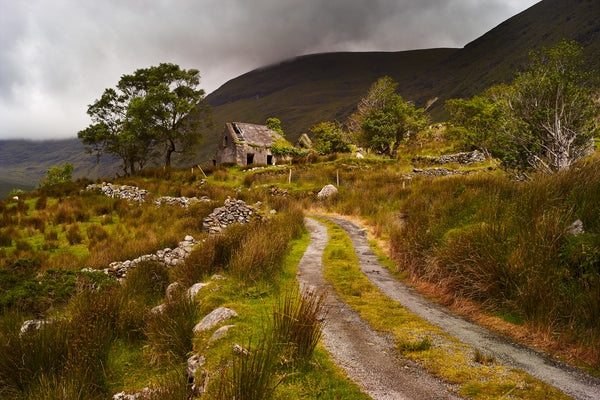
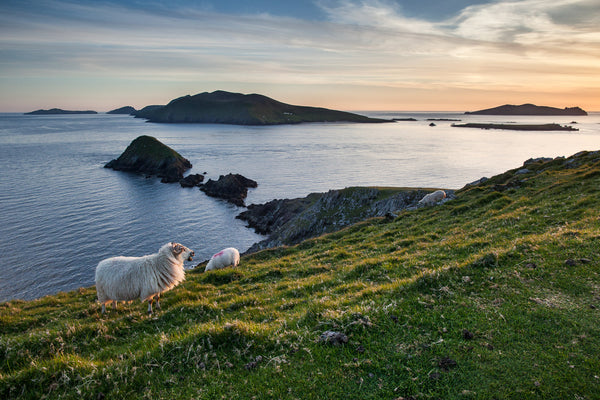
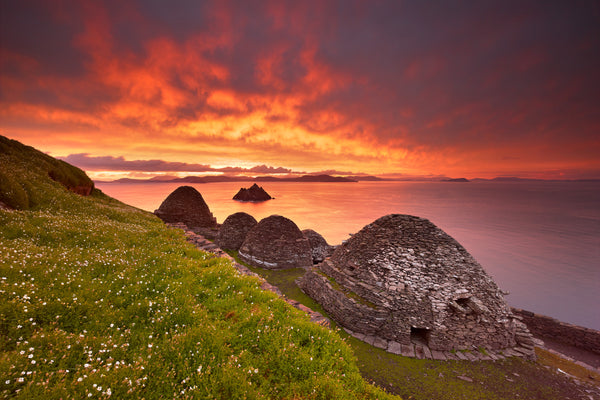
Antrim, photographed
Photographs made in Antrim.
Antrim
The Antrim coast road runs about 25 miles between the cliffs and the sea, with nine glens coming down to it. The rock is basalt, the same flow that formed the Giant's Causeway. Scotland is 12 miles off at the narrowest point and visible on a clear day.
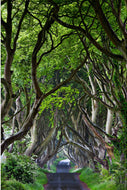 The Dark Hedges, Co. Antrim
Co. Antrim
The Dark Hedges, Co. Antrim
Co. Antrim
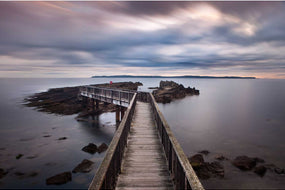 Pan's Rock, Co. Antrim
Co. Antrim
Pan's Rock, Co. Antrim
Co. Antrim
 Colliery Bay & Fair Head, Co. Antrim
Co. Antrim
Colliery Bay & Fair Head, Co. Antrim
Co. Antrim
 Dunluce Castle, Co. Antrim
Co. Antrim
Dunluce Castle, Co. Antrim
Co. Antrim
 Rainstorm, the Skerries, Co. Antrim
Co. Antrim
Rainstorm, the Skerries, Co. Antrim
Co. Antrim
 Bengore Head, Co. Antrim
Co. Antrim
Bengore Head, Co. Antrim
Co. Antrim
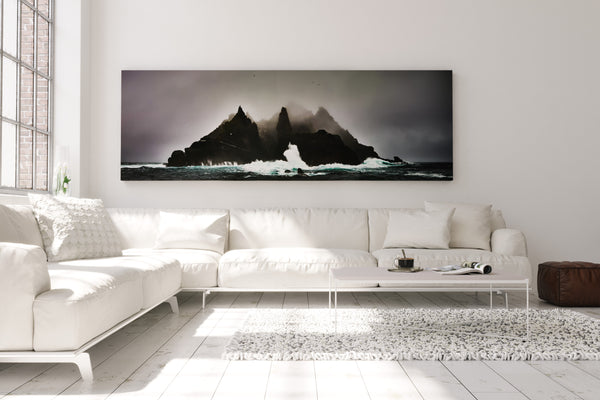
 The Skerries, Co. Antrim
Co. Antrim
The Skerries, Co. Antrim
Co. Antrim
Notable bearers
Michael Clarke Duncan (1957-2012), actor, basketball player, and comedian.
Tim Duncan (born 1976), basketball player and basketball coach.
Lindsay Duncan (born 1950), actor.
Alfred Duncan (born 1993), association football player.
Arne Duncan (born 1964), politician, basketball player, and teacher.
About this page
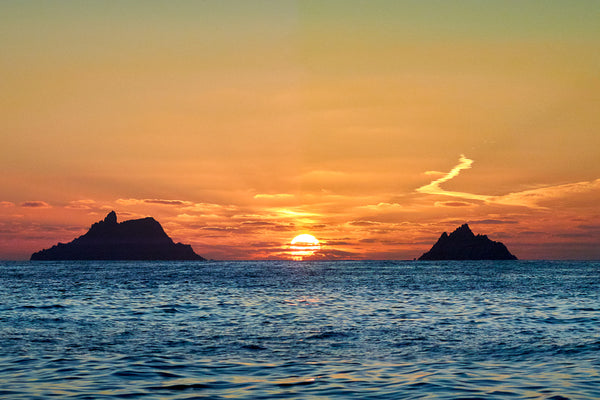
The counties on this page are where the name was thickest on the ground in Ireland a century and a half ago, not a claim about any one family. Names moved around inside the country as much as they left it. The photographs are mine, made in the counties named.
More Irish surnames: Smith · Brown · Miller · Wilson · Anderson · Thomas · Taylor · Moore · Jackson · Martin · Lee · Thompson
How common the name was
In 1890, 41 births were registered under Duncan in Ireland, most of them in Antrim and Tyrone.
| Ulster | 25 | 61% |
|---|---|---|
| Munster | 1 | 2% |
| Connacht | no figure printed | |
| Leinster | no figure printed | |
| Ireland | 41 |
Tyrone is the one I haven't worked in.