




Long
An Irish surname of Cork, Donegal, Dublin, and Kerry. In the 2010 US census it was carried by 229,374 people, the 97th most common surname in the country.
Long is the anglicised form of four distinct Irish names. Some you can hear in the English name; others look and sound nothing like it, and were simply swapped for it.
de Long
Fada
Ó Longaigh, descendant of Longach (derivative of long , a ship, a camp). This family stood in Co. Cork, Co. Kerry, and Co. Limerick.
Ó Longáin, descendant of Longán (diminutive of long , long, tall). This family stood in Co. Armagh, Co. Cork, Co. Kerry, Co. Limerick, and Co. Mayo.
Where the name comes from
de Long is the Norman le Lung, the long, one of remarkably tall stature. It came about the time of the Anglo-Norman invasion and was not uncommon in many parts of the country, and it cannot now easily be told apart from the Irish names anglicised the same way.
Ó Longáin, descendant of Longán, from long, long or tall, belonged to an Ulster family anciently chiefs of West Ui Breasail in Co. Armagh, now very numerous in Mayo, and to an ecclesiastical family who were erenaghs (the hereditary lay heads of families that held church lands) of Ardpatrick in Co. Limerick and Patrician stewards of Munster. After the destruction of the monastery of Ardpatrick the family dispersed through Limerick, Kerry and Cork, and in the last century the O'Longans of Cork were a distinguished family of scribes and poets.
Ó Longaigh, from long, a ship or a camp, is an old family still numerous in Cork, Kerry and Limerick. And Fada is simply the Irish for tall or long, an epithet that supplanted the real surname; it is very rare.

The Long counties, photographed
Cork
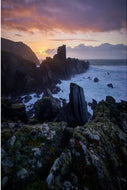
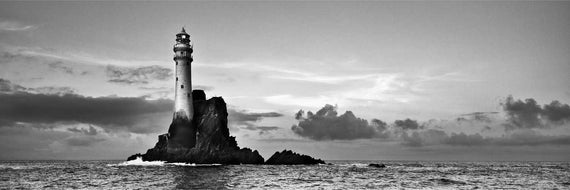
Cork is the largest county in Ireland. Three peninsulas run west into the Atlantic: Beara, Sheep's Head and Mizen, with the population thinning the further out you go. My gallery is in Glengarriff at the head of Bantry Bay, so it's the ground I photograph most.
Donegal
Slieve League is about 600 metres from clifftop to sea, one of the highest sea cliffs in Europe. Errigal is the highest mountain in the county at 751 metres, and it's quartzite, so it turns pink in low light. Glenveagh National Park covers about 16,000 hectares behind them.
 Nocturne, Fanad Head, Co. Donegal
Co. Donegal
Nocturne, Fanad Head, Co. Donegal
Co. Donegal
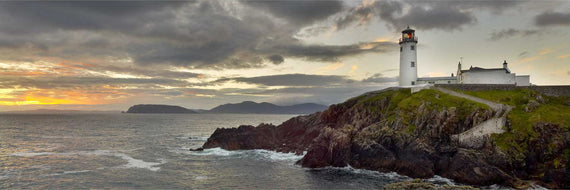 Fanad Head at Dawn, Co. Donegal
Co. Donegal
Fanad Head at Dawn, Co. Donegal
Co. Donegal
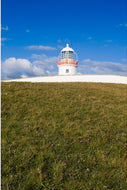 St. John's Point Lighthouse, Co. Donegal
Co. Donegal
St. John's Point Lighthouse, Co. Donegal
Co. Donegal
Dublin
Dublin is a county as well as a city. The bay has Howth at the north end and Killiney Hill at the south, the Muglins are a pair of rocks off Dalkey, and the Dublin Mountains start about half an hour from the city centre.
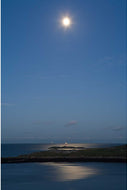 The Muglins by Moonlight II
Co. Dublin
The Muglins by Moonlight II
Co. Dublin
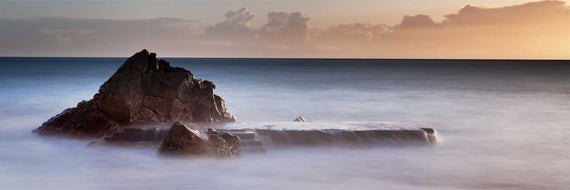 The White Rock, Killiney Bay, Co. Dublin
Co. Dublin
The White Rock, Killiney Bay, Co. Dublin
Co. Dublin
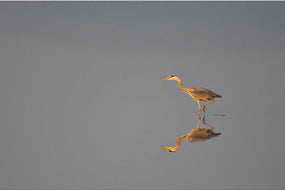 Heron, Co. Dublin
Co. Dublin
Heron, Co. Dublin
Co. Dublin
Kerry
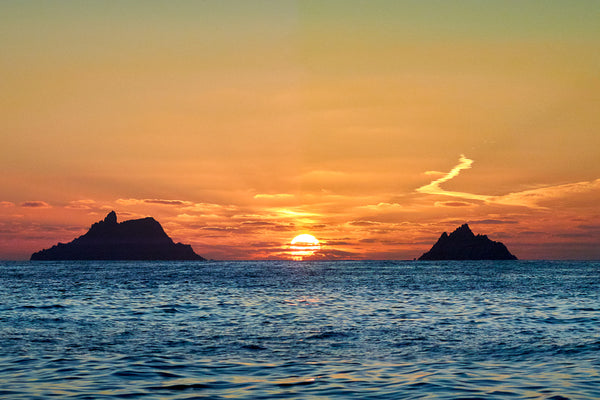
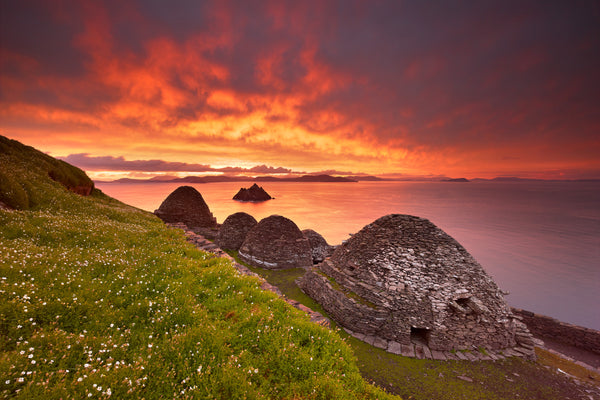
Carrauntoohil in the MacGillycuddy's Reeks is the highest mountain in Ireland at 1,038 metres. The Dingle and Iveragh peninsulas run west from it, with the Skelligs eight miles off the Iveragh coast. I ran a gallery in Killarney for years.
 Evening, Coumeenoole Beach, Dingle, Kerry
Co. Kerry
Evening, Coumeenoole Beach, Dingle, Kerry
Co. Kerry
 Evening II, Coumeenoole Beach, Dingle, Kerry
Co. Kerry
Evening II, Coumeenoole Beach, Dingle, Kerry
Co. Kerry
 An Searrach, Dingle, Co. Kerry
Co. Kerry
An Searrach, Dingle, Co. Kerry
Co. Kerry
All Cork prints · All Donegal prints · All Dublin prints · All Kerry prints
About this page
The counties on this page are where the name was thickest on the ground in Ireland a century and a half ago, not a claim about any one family. Names moved around inside the country as much as they left it. The photographs are mine, made in the counties named.
More Irish surnames: Smith · Brown · Miller · Wilson · Anderson · Thomas · Taylor · Moore · Jackson · Martin · Lee · Thompson
How common the name was
In 1890, 91 births were registered under Long in Ireland, most of them in Cork, Donegal, Dublin, Kerry, and Limerick.
| Ulster | 21 | 23% |
|---|---|---|
| Leinster | 19 | 21% |
| Munster | 16 | 18% |
| Connacht | 5 | 5% |
| Ireland | 91 |
Limerick is the one I haven't worked in.